Jul. 8, 2026
As the external environment surrounding corporate management undergoes major changes in a short period of time, discussions regarding the prediction of and response to uncertainty are diverse. Among the factors that have recently had a significant impact on corporate management are changes in the geopolitical situation and disruptive technological progress (creative destruction). In geopolitics, the international order based on rule-based and liberal principles has been greatly shaken, and countries are expanding their economic nationalism. At the same time, creative destruction driven by advanced technologies such as AI, quantum, space, semiconductors, biotechnology, and energy is progressing rapidly. Notably, geopolitics and creative destruction are interacting with each other and bringing both opportunities and threats to corporate management. This report first organizes the latest trends in geopolitics and creative destruction, and examines their mutual interactions, including analytical methods. Next, it examines changes in markets brought about by the interaction between geopolitics and creative destruction, from both aspects of promising growth areas (opportunities) and areas where growth is slowing (threats). Finally, it points out the importance of strategic Enterprise Risk Management (ERM) that can capture new opportunities and respond promptly.
Amid major changes in the geopolitical situation, including the expansion of economic nationalism and power politics, countries and regions around the world are strengthening policies to enhance autonomy and superiority regarding strategic assets (technologies and materials) that determine industrial competitiveness and national security. Each country and region has its own characteristics. In the United States under the second Trump administration, there is progress in building up individual policies such as the “AI Action Plan” and various technology promotion and deregulation measures related to AIi. The EU is pursuing integrated strategies for competitiveness enhancement and decarbonization at the regional level, such as the “Competitive Compass”ii. China, under the “15th Five-Year Plan,” is strengthening competitiveness through a nationwide systemiii. Meanwhile, a common element across countries and regions is the strengthening of industrial competitiveness and the assurance of security. The dual-use technologies and materials that support these are becoming strategic assets that determine national survival.
Governments are promoting the strengthening of strategic assets through funding and regulation. In terms of funding, this includes investment and financing for strategic assets, subsidies, funds, R&D, and government procurement. In Europe, under the “European Competitiveness Fund” (2028–2034) for innovation, space and defense amount to 130.7 billion EUR, making them the largest individual area of support, roughly twice the size of the clean transition (67.4 billion EUR)iv. In light of the expansion of uncertainty surrounding the war in Ukraine and the European security environment, including the “European Defence Industrial Strategy” (March 2024)v, the “ReArm Europe Plan” (March 2025)vi, and the provisional financing framework for member states (September 2025)vii, European defense-related stocks in the equity market have been attracting private investment at a pace that significantly outperforms the Dow Jones Industrial Average (Figure 1).
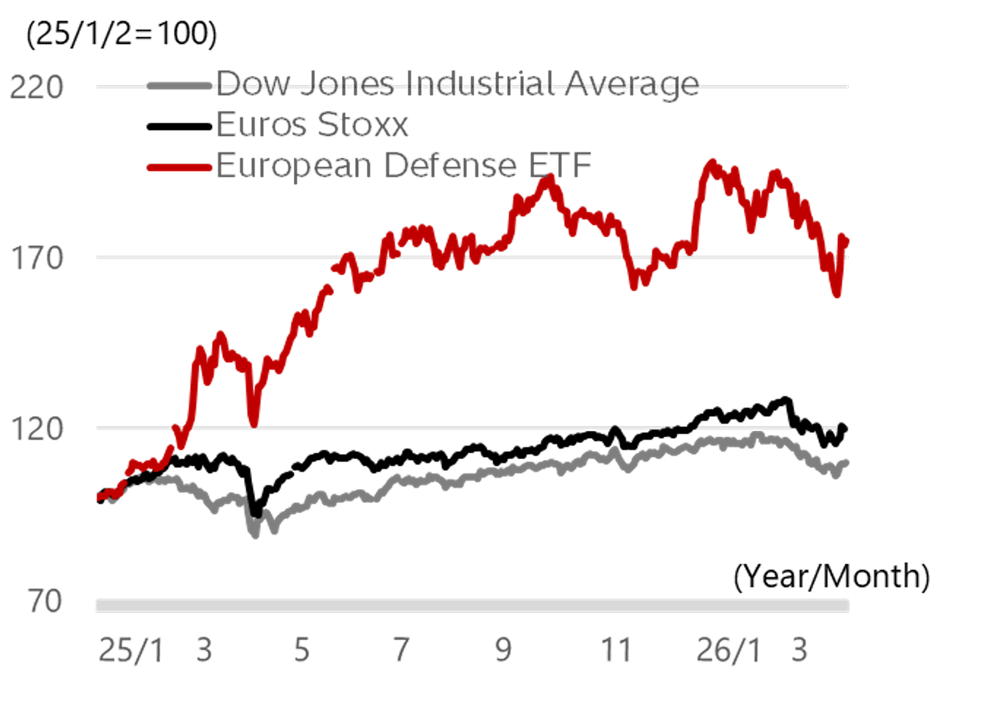
Figure 1: European Defense FTE Stock Price Trends
In terms of regulation as well, policies are being strengthened to directly and indirectly attract private investment to their own countries and regions through measures such as faster licensing, tariffs, technology controls, and preferential treatment for domestic products.
It should be noted that government funding and regulatory efforts regarding strategic assets are affecting advanced technology development in the private sector. In the United States, since 2010, R&D expenditures in the private sector for digital technologies have expanded rapidly; at the same time, the first Trump administration positioned semiconductors and other areas as strategic assets from a geopolitical perspective and imposed strict external regulations, thereby encouraging further private investment (Figure 2). In the second Trump administration as well, for certain strategic assets such as AI, there is a trend of accelerating private investment by presenting a “lead market” through measures such as expedited permitting for AI infrastructure.
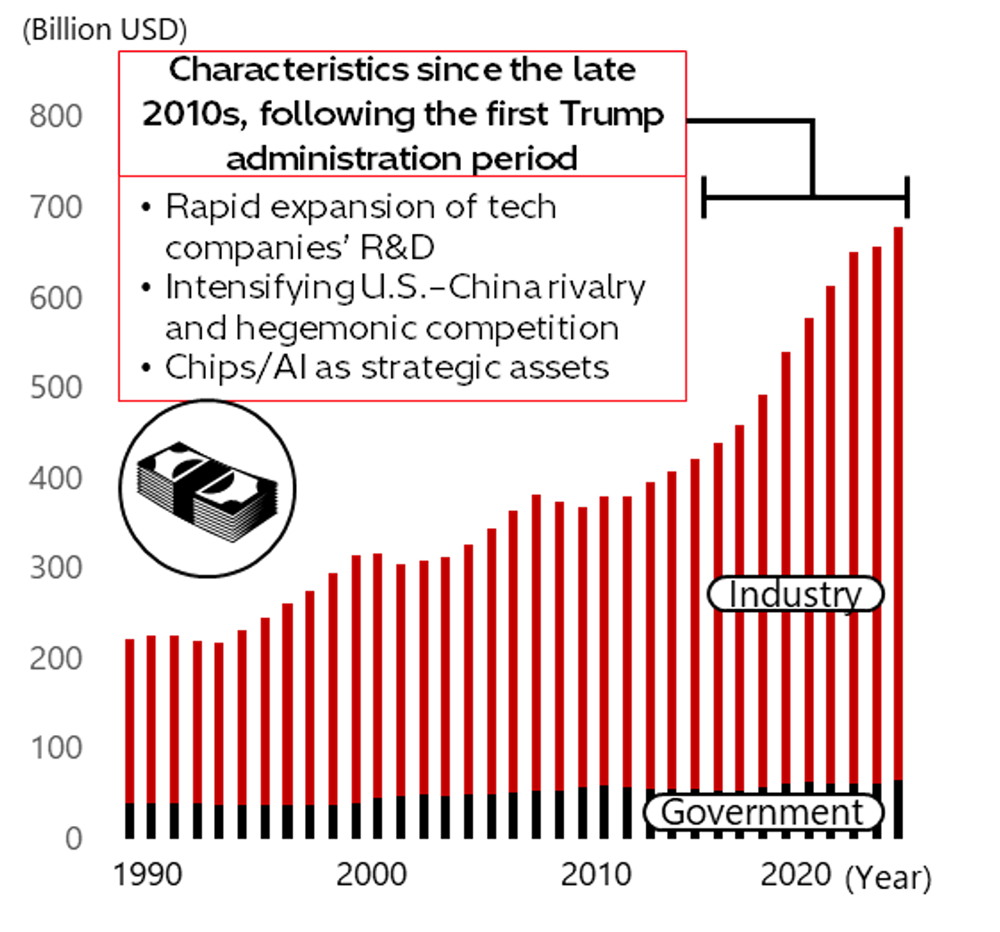
Figure 2: National R&D by Funder in the US
Thus, governments are transforming their approaches to funding and regulation surrounding strategic assets and using them as strategic means to induce private investment and create domestic markets (Figure 3). These movements are influencing the flow of private risk money surrounding advanced technologies.
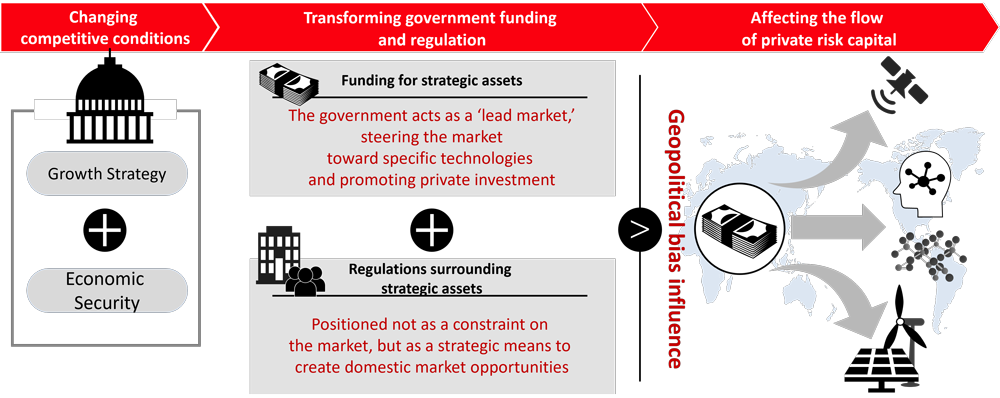
Figure 3: Private Risk Capital Induced by Geopolitical Bias
First, trends in disruptive technological progress (creative destruction) are analyzed by focusing on the flow of risk money surrounding advanced technologies. Looking at cumulative funding amounts by market (emerging markets/emerging technologies), it can be seen that large amounts of investment have been gathered in areas such as AI data centers, generative AI applications and infrastructure, and EVs, reflecting the potential of technologies and expectations for market growth. (Figure 4) viii
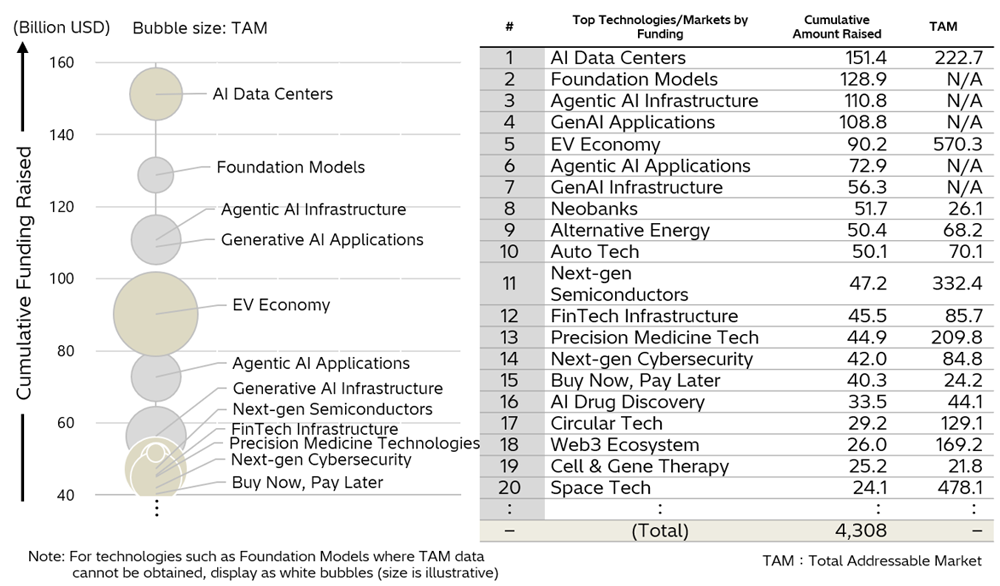
Figure 4: Top Emerging Markets by Cumulative Funding
Next, the technologies and markets whose importance is expected to increase in the future were examined under the influence of political and geopolitical factors (hereafter referred to as geopolitical bias) surrounding the strategic assets discussed in Chapter 1 (Figure 5). The impact of geopolitical uncertainty factorsix such as the expansion of economic nationalism, intensification of AI competition, tariffs, and resource constraints on each emerging market was evaluated as a “geopolitical score,” capturing both market transformation pressures and the acceleration or deceleration of investment. For example, under intensifying AI competition, investment in AI-related technologies and computing resources is expected to accelerate. Therefore, in the case of the AI Data Centers market, this factor acts as a strong tailwind, resulting in a positive geopolitical score. Based on this approach, the relationship between individual emerging markets and geopolitical uncertainty factors was evaluated from both opportunity (positive) and threat (negative) perspectives. Subsequently, total scores were calculated by estimating both the probability of occurrence of each uncertainty factor and the degree of its direct and indirect impact on each emerging market.
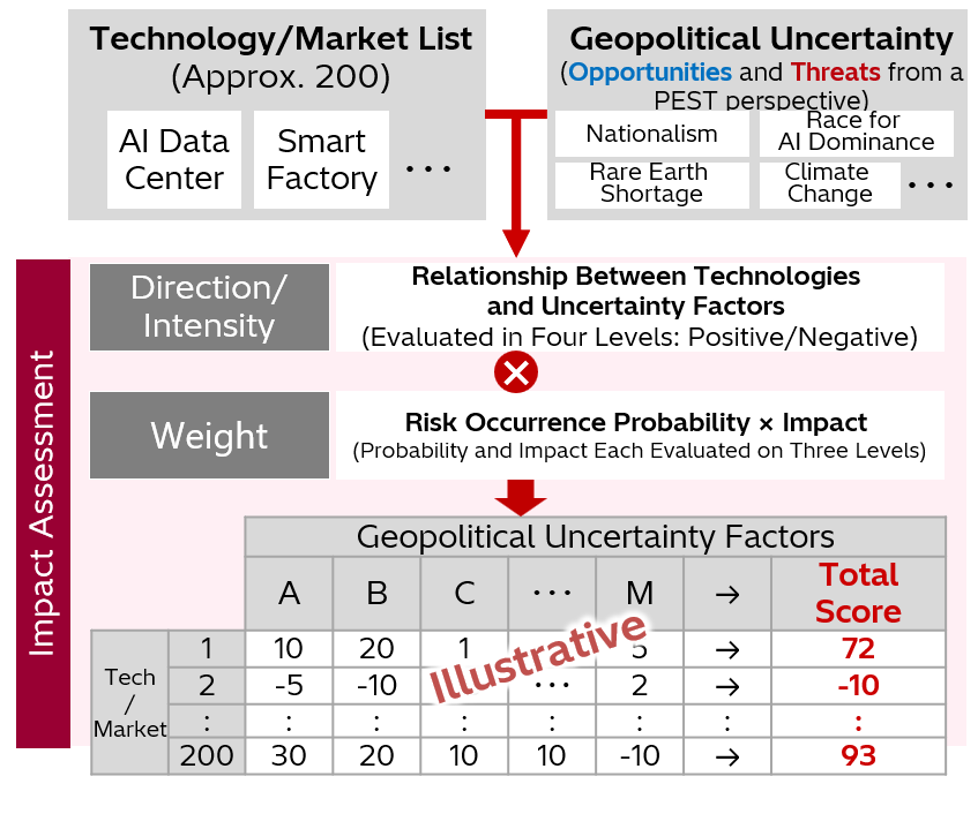
Figure 5: Assessment of Geopolitical Impact on Emerging Markets
Ranking emerging markets based on total scores reveals that while the AI Data Centers market ranks first in terms of cumulative funding, it ranks only 18th in the geopolitical score. In contrast, there are areas such as Supply Chain Tech (e.g., supply chain planning and management software) and Military Tech (e.g., defense-oriented AI), where funding levels are relatively modest, yet geopolitical scores are higher. This indicates that, in addition to areas where investment is already concentrated due to technological attractiveness, there exist domains where geopolitical factors are expected to significantly influence future investment expansion. (Figure 6)
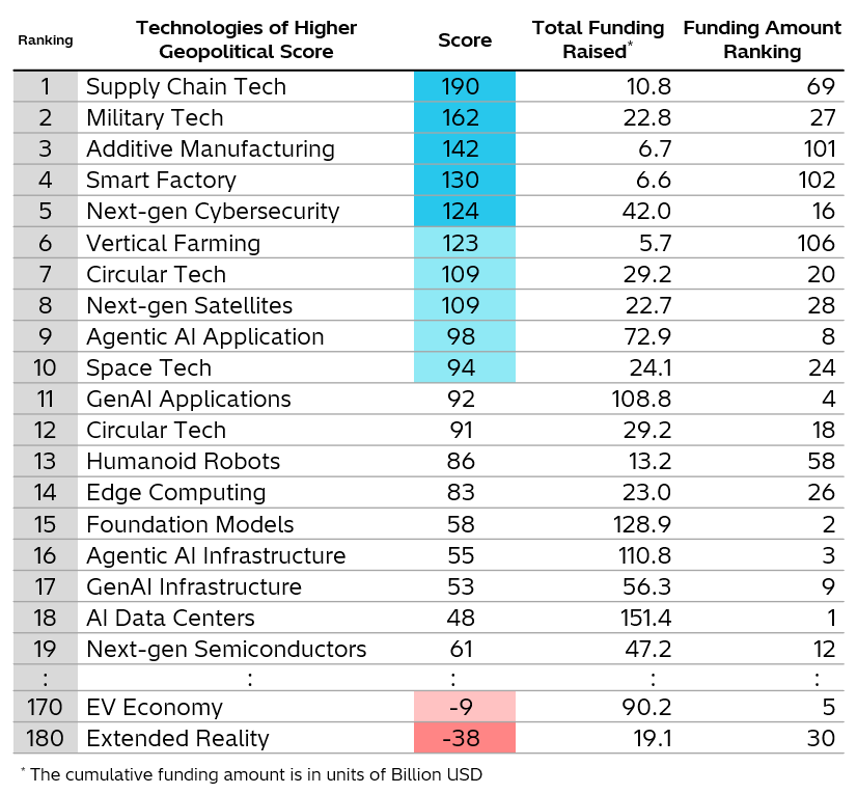
Figure 6: Top Emerging Markets by Geopolitical Score
Based on the analysis in Chapter 2, markets with high geopolitical scores can be interpreted as areas where future investment expansion is expected (opportunities), while markets with low scores can be interpreted as areas with risk of declining investment (threats). Looking at emerging markets at the top and bottom of the ranking (Figure 7), for example, Supply Chain Tech is expected to see expanded opportunities through increased demand for supply chain risk management and reconstruction, driven by fragmentation caused by protectionism and the materialization of supply chain disruption risks. On the other hand, looking at low-score markets, the EV Economy (e.g., passenger/commercial EVs, EV batteries) is considered to face risk factors (threats) such as the review of EV support policies in the United States and Europe and China's export restrictions on rare earths, which may dampen investment and demand.
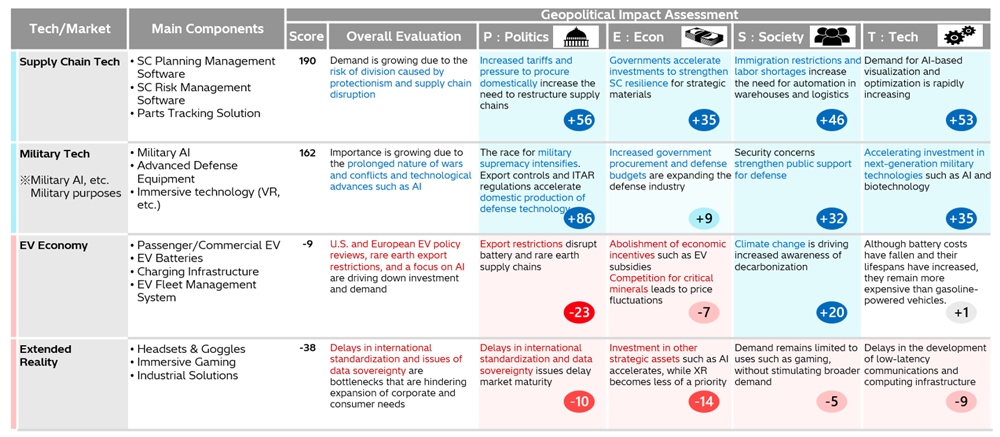
Figure 7: Impact of Geopolitical Uncertainty Factors on Emerging Markets
In this way, in order for companies to capture the areas that should be noted as opportunities and threats for business growth, it is important to consider both the flow of risk money into markets and the influence of geopolitical uncertainty factors simultaneously. Based on the analysis up to Chapter 2, each emerging market is plotted in Figure 8, with the cumulative funding amount on the vertical axis and the geopolitical score on the horizontal axis, while the size of each bubble represents the TAM (Total Addressable Market). As a result, emerging markets with distinct characteristics are mapped onto each quadrant.
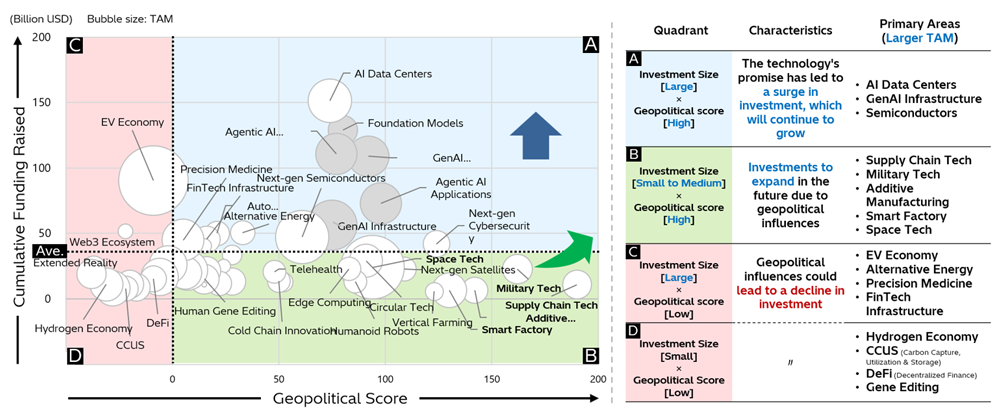
Figure 8: Opportunities and Threats from Geopolitics and Creative Destruction
HRI has focused on Area B, where future investment expansion is expected under geopolitical influence, and examined the changes in needs and market opportunities brought about by geopolitics and creative destruction. In the case of Supply Chain Tech, for example, conventional supply chains have been globally optimized across national borders, with emphasis placed on building cost-efficient supply networks. However, in light of the recent and frequent fragmentation of supply chains caused by U.S.–China tensions and the rise of economic nationalism, the importance of intra-regional self-completion and resilience against supply chain disruptions is growing. Under such circumstances, Supply Chain Tech is increasingly required to predict supply disruptions in real time and execute decision-making accordingly. Specifically, it becomes important to perform risk detection and to semi-automatically plan and make decisions on production and procurement sources that incorporate scenarios such as tariffs. With the advancement of Agentic AI and digital twins, it is expected to become possible to optimize supply chains on an Enterprise-to-Enterprise (E2E) basis in response to changes in the business environment. In this way, market opportunities are being created not only in the narrowly defined Supply Chain Tech domain—such as supply chain planning and management software and parts tracking solutions—but also through the expansion of adjacent areas, including Agentic AI and digital twins, as well as the sophistication of Supply Chain Tech solutions enabled by these technologies.
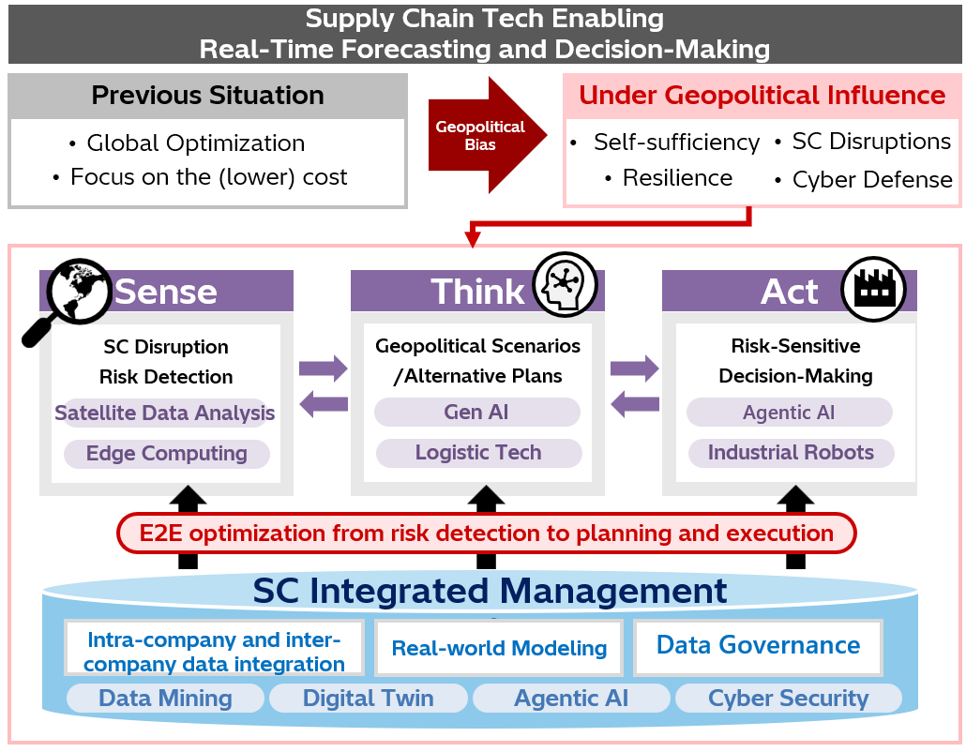
Figure 9: Supply Chain Tech Market Driven by Geopolitics and Creative Destruction
As shown in this report, the interaction between geopolitics and creative destruction can be either an opportunity for business growth or, conversely, a threat. Opportunities lead to growth in the top line, while threats lead to instability in the bottom line. The first measure companies should take is to capture uncertainties related to geopolitics and creative destruction at an early stage and monitor them. In addition, companies should analyze the interaction between geopolitics and creative destruction in each regional market based on data and accurately understand the impact on their own business, including both top-line and bottom-line aspects. For opportunity areas, companies need to evaluate business assets that can be utilized and those that are lacking, and consider competitive strategies taking into account customers, competitors, and government actions in each market. Conversely, for threat areas, it is important to comprehensively assess which threats must be accepted and which should be mitigated, and take necessary management measures (Figure 10).
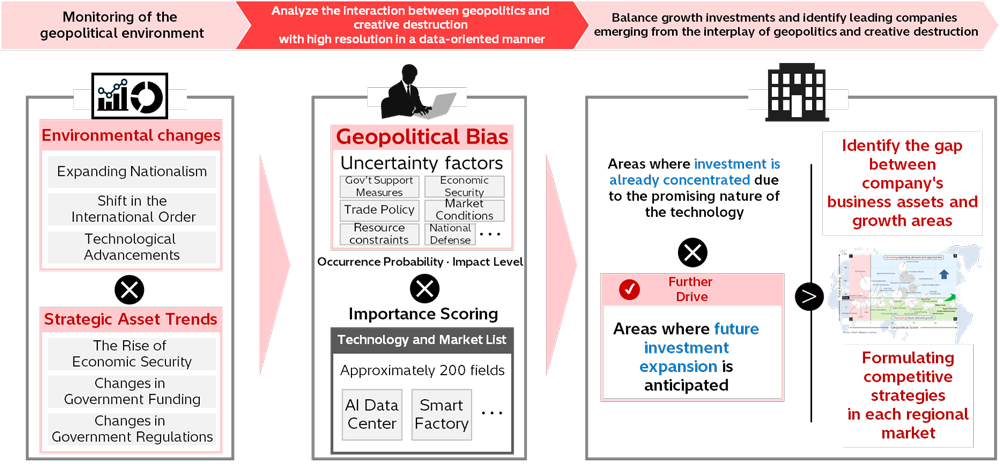
Figure 10: Strategic ERM Based on the Monitoring and Analysis of Geopolitical Bias and Creative Destruction
The framework that advances these efforts in an integrated and continuous manner is strategic Enterprise Risk Management (ERM). Companies should place strategic ERM at the core of management, comprehensively capturing both opportunities and threats of uncertainty, and aligning all uncertainties and risks from the present to the future with management strategies and plans.

Masamichi Minehata
Chief Researcher, Global Intelligence and Research Office, Hitachi Research Institute
He joined Hitachi Research Institute after professional experience at the University of Bradford (UK), the Pacific Forum CSIS (US), and the Japan Science and Technology Agency.

Shuntaro Ishii
Manager, Hitachi Research Institute Office (US)
He has experience in business strategy development across the energy, financial, and industrial sectors, as well as in the sales of autonomous driving and advanced driver-assistance systems. He is currently engaged in the formulation and execution support of regional strategies in the Americas, along with business strategies related to AI and digital technologies.
Author’s Introduction
Masamichi Minehata
Chief Researcher,
Global Intelligence and Research Office
Shuntaro Ishii
Manager,
Hitachi Research Institute Office (US)
We provide you with the latest information on HRI‘s periodicals, such as our journal and economic forecasts, as well as reports, interviews, columns, and other information based on our research activities.
Hitachi Research Institute welcomes questions, consultations, and inquiries related to articles published in the "Hitachi Souken" Journal through our contact form.